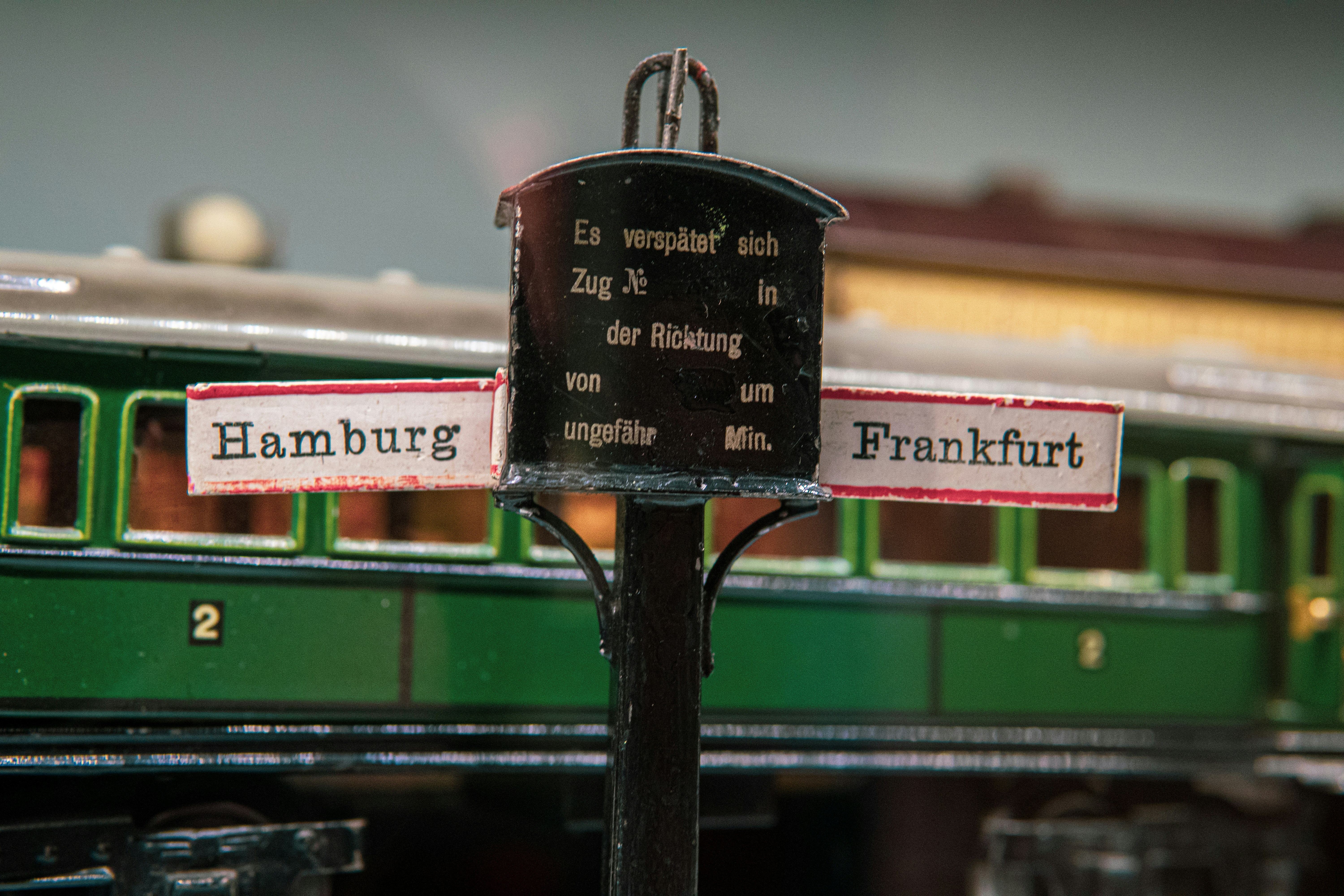
Introduction to Märklin Trains
Märklin, renowned for its exceptional model trains, has made a significant mark in the world of railway hobbies since its establishment in 1859. Founded in Göppingen, Germany, by the skilled carpenter and toy maker, Wilhelm Märklin, the brand initially focused on manufacturing handcrafted toy furniture. Its evolution into the realm of model locomotives and trains began when Märklin introduced their first model train, transforming the way enthusiasts engaged with railroading.
Throughout the years, Märklin has maintained a steadfast commitment to craftsmanship, ensuring that each model train embodies quality, precision, and creativity. This dedication to excellence has positioned Märklin as a leading figure in the niche market of scale model trains. The company’s ethos reflects a blend of traditional craftsmanship and innovative engineering, which enables them to create intricate models that not only captivate collectors but also serve as educational tools in understanding engineering and mechanics.
As one of the pioneers of electric model trains, Märklin’s introduction of the 3-rail AC system in 1891 revolutionized model railroading. This technological advancement allowed hobbyists to expand their layouts with ease, providing a more immersive experience. The brand has continuously adapted to changing times, introducing digital technologies that enhance realism in model train operations. Today, Märklin is recognized not only for its beautifully crafted trains but also for a wide array of accessories and digital solutions that cater to modern enthusiast demands.
This combination of rich heritage and forward-looking innovation enables Märklin to occupy a distinctive place in the hearts of model train enthusiasts globally, ensuring its legacy will endure for generations to come.
The Early Years: Founding and Innovations (1859-1914)
The inception of Märklin in 1859 marked a pivotal moment in the world of toy manufacturing and railway modeling. Founded by Theodor Märklin in Göppingen, Germany, this nascent company initially focused on a diverse array of metal toys. The early products included handcrafted model trains, which were well-made and appealing, capturing the imaginations of children and collectors alike.
Märklin’s innovative spirit became evident with the introduction of the “tinplate” manufacturing technique, allowing for more intricate designs and greater durability. This approach revolutionized the toy industry, as it permitted mass production, keeping up with the surging demand for high-quality trains. By leveraging tinplate, Märklin was able to create a range of locomotives, cars, and accessories that exemplified both aesthetics and functionality.
The period from the late 1800s to the early 1900s saw Märklin solidifying its reputation, thanks to its commitment to quality and innovation. The introduction of the first electrical trains in the early 20th century was groundbreaking, reflecting the advancements in technology and electrification. This move not only enhanced the realism of the models but also broadened Märklin’s appeal, making it the preferred choice among hobbyists and collectors. The burgeoning railway model industry thrived during this era, supported by Märklin’s contributions to improved functionality and craftsmanship.
By the onset of World War I, Märklin had established itself as a leader in the toy industry, with its trains becoming internationally recognized. The dedication to quality and innovative processes set the foundation for Märklin’s lasting legacy, ensuring that the company’s impacts would resonate throughout the history of model railroading.
Impact of World War I on Märklin
The advent of World War I in 1914 had profound implications for many industries across Europe, and Märklin, a prominent manufacturer of model trains, was no exception. The war led to significant disruptions in operations and production, primarily due to resource shortages. As the demands of the military escalated, materials such as metal and rubber became scarce as they were redirected toward war efforts. Consequently, Märklin faced considerable challenges in maintaining its production levels of model trains during this tumultuous period.
Additionally, the workforce at Märklin was drastically affected as many employees were drafted into military service. The shift in the available labor force necessitated changes in the company’s operations. With a significant portion of skilled workers away, Märklin had to adapt by employing women and younger individuals, who assumed roles traditionally held by men. This shift not only altered the demographic profile of the workforce but also encouraged the company to innovate in terms of production methods and techniques.
The economic strain caused by the war further compelled Märklin to reassess its business strategies. The company’s leadership was faced with the challenge of navigating an unstable marketplace while dealing with inflation and increased costs of raw materials. In response, Märklin diversified its product offerings and sought alternative materials to mitigate the impact of shortages. These adaptations exemplified the company’s resilience and commitment to maintaining quality despite the adversities faced during this period.
Ultimately, the war tested Märklin’s operational capacity and resourcefulness, leading the company to emerge with new strategies and insights that would shape its future endeavors in the model train industry.
World War II and Its Aftermath (1939-1945)
The period during World War II was exceptionally challenging for Märklin, as the company faced significant operational disruptions due to the global conflict. The onset of war in 1939 resulted in the diversion of resources, with many factories, including those involved in model train production, being repurposed to support the military efforts. This change in focus led to abrupt halts in production at Märklin, impacting their ability to manufacture and distribute model trains.
Moreover, the scarcity of raw materials further compounded the difficulties faced by Märklin. Essential materials needed for the production of trains, such as metals and plastics, became increasingly difficult to procure as the war progressed. As a result, Märklin was unable to fulfill customer orders, and the company’s product offerings dwindled during this tumultuous period. The challenges posed by World War II not only curtailed production but also threatened the long-term viability of Märklin as a company.
Despite these setbacks, the end of the war in 1945 marked a turning point for Märklin. With the cessation of hostilities, the company recognized the need to reinvent itself and adapt to the changing market conditions. The immediate post-war years brought about a concerted effort to rebuild their infrastructure, which had been neglected during the war years. Märklin took significant strides in re-establishing its product lines, drawing on its historical roots while also incorporating innovative ideas to attract a new generation of hobbyists.
As Märklin moved forward, the lessons learned during the hardships of World War II became a foundation for future growth and innovation. By leveraging its extensive experience in model train production, combined with the resilience shown during the war, Märklin successfully navigated the challenges of the post-war economy, solidifying its position as a leader in the model train industry.
The 1950s: A Decade of Revival and Growth
The 1950s marked a significant turning point in the history of Märklin trains, ushering in an era characterized by revival and remarkable growth. Following the devastation of World War II, Europe experienced a post-war economic boom that sparked an increased interest in hobbies, particularly in model railroading. Märklin, recognizing this growing passion, strategically positioned itself to tap into the burgeoning market for model trains.
One of the crucial factors contributing to Märklin’s success during this decade was its dedication to product innovation. The company introduced a range of new offerings, including electric trains and detailed miniature scenery, which catered to the desires of both children and adult hobbyists alike. The integration of new technologies, such as the 3-rail system, provided customers with enhanced functionalities and creative possibilities, setting Märklin apart from its competitors.
Marketing strategies also played a vital role in the company’s expansion. Märklin capitalized on the positive post-war sentiment by aggressively promoting its trains through catalogs, hobby shows, and retail partnerships. The iconic Märklin logo became synonymous with quality, reliability, and imaginative play, which helped to solidify its reputation in the growing model train community. Additionally, the company embraced partnerships with model railroad clubs and organizations, further widening its reach and influence.
During the 1950s, Märklin expanded its catalog significantly, introducing a diverse array of products that reflected the prevailing trends in transportation and technology. The emphasis on steam engines transitioned to an increasing interest in modern electric locomotives and high-speed trains by the end of the decade. This shift showcased Märklin’s commitment to remaining relevant and adaptable in a rapidly changing world.
In essence, the combination of innovative product development, effective marketing, and a responsive approach to consumer interests enabled Märklin trains to thrive during the 1950s, laying a strong foundation for future growth in the decades that followed.
Transition to Analog Models in the Late 20th Century
The late 20th century marked a significant era in the realm of model railroading, especially with the transition to analog models. This period saw notable advancements in technology that enhanced the performance, aesthetics, and overall user experience of model trains. With the advent of improved manufacturing techniques and materials, model train enthusiasts began to witness a greater level of detail and realism in their collections. These advancements aligned perfectly with the growing interest in collectible hobbyist items, prompting a surge in the popularity of analog trains.
The implementation of more sophisticated features became prevalent during this time. Manufacturers started utilizing die-cast metal, fine plastics, and digital printing methods, which allowed for intricate designs and more accurate representations of real-life locomotives and rolling stock. As a result, hobbyists could create highly detailed layouts that were not only visually appealing but also functionally proficient. The analog models, while simpler in operation compared to their digital successors, offered a unique charm and accessibility that drew both veteran collectors and new enthusiasts alike.
The significance of this transition to analog trains cannot be overstated. For many hobbyists, working with analog models provided a hands-on experience that fostered creativity and problem-solving skills. It allowed for extensive customizations, where train lovers could modify their collections based on personal preferences and skills. This period also emphasized the social aspect of model railroading, as clubs often formed around shared interests in particular types of analog trains, fostering a community that actively participated in exhibitions, swaps, and competitions. The legacy of this transition continues to be felt today, influencing modern innovations that blend the nostalgic aspects of analog with advancements in digital technology.
The Digital Revolution in Märklin Trains
The advent of the digital era has significantly transformed the landscape of model railroading, and Märklin trains stand at the forefront of this evolution. Traditionally, model trains operated on straightforward analog controls, which limited the complexity and functionality of train systems. However, Märklin recognized the potential for modernization and made substantial strides in integrating digital technology into their products. With the rollout of digital controls, train enthusiasts can now experience a level of operation that was once unattainable.
This leap into digital innovation has enhanced the user experience exponentially. Märklin trains are equipped with sophisticated digital command stations, allowing operators to control multiple trains simultaneously, adjust speed, and manage sound functions with remarkable precision. The introduction of sophisticated locomotives fitted with digital decoders has made it possible to command various aspects of the trains, such as lighting effects and sound production, wirelessly. This degree of control not only intensifies the realism but also fosters a more engaging and interactive experience for hobbyists.
Furthermore, the expansion of features in Märklin’s digital models has redefined what enthusiasts can expect from their train sets. The incorporation of advanced technologies means that model trains can be programmed for unique routines, creating intricate and visually appealing scenes. Märklin has also embraced connectivity options, enabling integration with mobile devices and advanced railway simulation programs. This step into the digital domain allows users to customize their layout to their specific preferences, tailoring transportation scenarios to reflect their creativity.
Thus, the digital revolution within Märklin trains has not only preserved the legacy of model railroading but has also propelled it into the future, ensuring that enthusiasts can continue to explore and innovate while engaging with this captivating hobby.
Current Trends and Innovations in Märklin Trains
The model train industry has evolved significantly over the years, and Märklin has remained at the forefront of this transformation through various technological advancements and design improvements. By embracing modern production methodologies, Märklin continues to produce high-quality and detailed models that resonate with both collectors and enthusiasts. This commitment to innovation reflects a profound understanding of the evolving interests and needs of its customer base.
One of the most notable trends within Märklin is the integration of digital technologies into model railroading experiences. The use of Digital Command Control (DCC) systems has become increasingly prevalent. Märklin has designed their locomotives and accessories to be compatible with these advanced systems, allowing users to control multiple trains independently with precision. This has enhanced the realism of layouts, providing a more dynamic and engaging experience for hobbyists.
Moreover, advancements in 3D printing and manufacturing techniques have enabled Märklin to create highly detailed models with intricate features that were previously difficult to achieve. The use of sustainable materials, in alignment with global environmental efforts, underscores Märklin’s commitment to innovation while caring for the planet. The finishing touches on models, including improved paint quality and more realistic sound systems, have also garnered much positive feedback from users.
In addition to technical innovations, Märklin has prioritized customer engagement strategies by incorporating user feedback into the design process. Through surveys and forums, Märklin actively seeks input from its community, which helps them understand the evolving desires of their customers. Furthermore, their online platforms offer not only sales opportunities but also access to a wealth of resources, including tutorials and community feedback, enhancing the overall customer experience.
Conclusion: Märklin’s Legacy and Future Outlook
The story of Märklin is one of unwavering dedication to the craft of model railroading, where passion and innovation intersect. Since its inception in the mid-19th century, Märklin has made substantial contributions to the hobby, establishing itself as a leader in the industry. The company revolutionized the way enthusiasts interact with model trains by introducing groundbreaking concepts and technologies, such as three-rail systems, digital controls, and exquisite detailing. Such milestones solidified Märklin’s reputation for quality and reliability.
As Märklin looks to the future, the focus on innovation remains pivotal. In recent years, there has been a noticeable shift towards integrating more advanced technology into their models, including Bluetooth connectivity and realistic sound effects. These developments are not merely about enhancing user experience; they are also about keeping the spirit of model railroading alive for younger generations. By blending tradition with modern advancements, Märklin aims to captivate new and existing enthusiasts alike.
Furthermore, sustainability is becoming increasingly important in various industries, including model railroading. Märklin may choose to explore eco-friendly materials and manufacturing processes, appealing to a broader audience concerned with environmental impact. Collaborative initiatives with railway museums and educational programs could also serve to reinforce the historical significance of trains and the hobby itself.
In conclusion, the legacy of Märklin will undoubtedly shape its future. As the company continues to innovate, it is poised to inspire countless individuals, ensuring that the passion for model trains flourishes for generations to come. The balance of honoring their storied past while embracing future possibilities remains vital in navigating the evolving landscape of model railroading.